
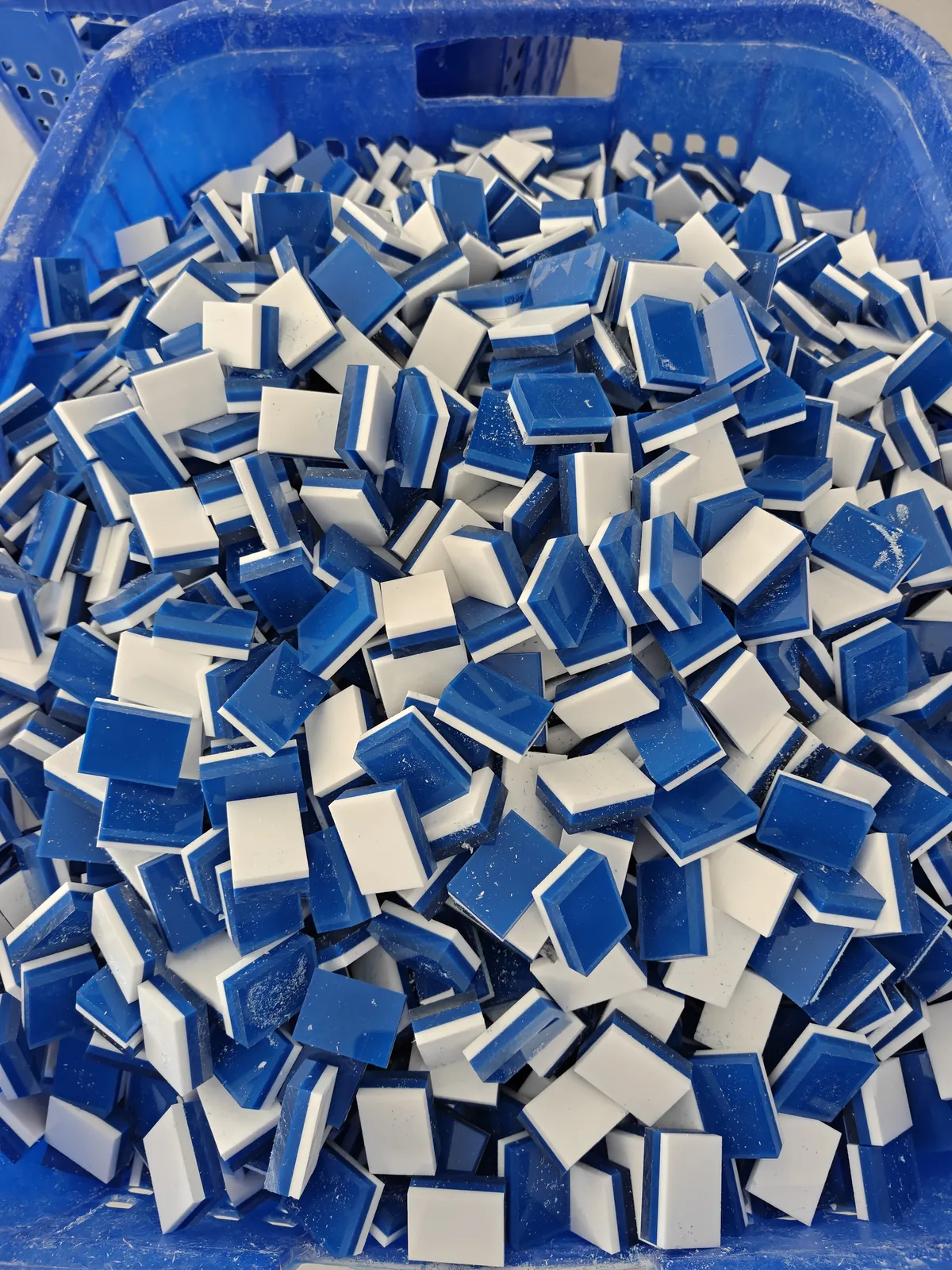
Direct answer
You negotiate a custom Mahjong MOQ by changing what drives it, not by asking for a smaller number. Minimums come from setup work, material purchasing and the component suppliers behind a set. If you reduce the number of custom elements, use stock components where customers will not notice, keep one colorway for the first run, and accept simpler packaging, a supplier can often accept a smaller first order. Each concession has a trade-off, usually a higher unit cost or less exclusivity, so decide which ones protect your brand and which ones you can give up.
Key takeaways
- You negotiate a custom Mahjong MOQ by changing what drives it, not by asking for a smaller number.
- A supplier's minimum protects it from losing money on setup.
- That means the overall MOQ you are quoted is usually the highest of several component minimums.
On this page
- Key takeaways
- Why custom Mahjong sets have minimums
- Step 1: Ask which component sets the minimum
- Step 2: Separate brand-critical from replaceable components
- Step 3: Use the levers that actually move the minimum
- Step 4: Accept the unit-cost trade-off with numbers in hand
- Step 5: Put the agreed minimum in writing
- What not to do
- Buyer checklist
- FAQ
- Next step
- Buyer checklist
- Production notes
- Related buyer guides
Key takeaways
- MOQ is a set of minimums, not one number. Tiles, racks, mats, bags and printed boxes can each carry their own.
- Find the binding minimum first. Ask which component sets the overall MOQ before negotiating.
- Trade customization for quantity. Stock racks, stock bags or a standard box can lower the minimum without touching your tile artwork.
- Expect a unit-cost trade-off. A smaller run spreads fixed costs over fewer sets.
- Get the agreed minimum in writing, tied to a specification version.
Why custom Mahjong sets have minimums
A supplier's minimum protects it from losing money on setup. For a custom American Mahjong set, setup can include artwork preparation, engraving or print programming, material color matching, sampling, and packaging dielines. Some materials are bought in sheet or batch quantities, and printed packaging is often made by a separate supplier with its own run size.
That means the overall MOQ you are quoted is usually the highest of several component minimums. Our American Mahjong MOQ guide explains how minimums are applied per design, per colorway and per component. Negotiation works when you know which of those is holding the number up.
Step 1: Ask which component sets the minimum
Before proposing anything, ask the supplier one question in writing: Which component or process determines the MOQ for this quote?
Typical answers include:
- Custom tile material color. A non-stock acrylic color may need a minimum material purchase.
- Printed rigid box or sleeve. Packaging suppliers often run in fixed lots.
- Custom racks or pushers. A new color or logo method may need its own run.
- Printed mats or embroidered bags. Textile and print suppliers have their own minimums.
- Number of colorways. Each colorway may count separately.
Once you know the binding item, you can negotiate on that item instead of the whole set.
Step 2: Separate brand-critical from replaceable components
List every component and mark it as brand-critical or replaceable.
| Component | Usually brand-critical? | MOQ lever |
|---|---|---|
| Tile face artwork, jokers, tile backs | Yes | Keep custom; reduce the number of unique faces if needed |
| Tile material color | Often | Choose from stock colors for the first run |
| Racks and pushers | Sometimes | Use a stock color; add a logo later |
| Mat | Sometimes | Offer as a separate add-on SKU |
| Carry bag or case | Sometimes | Use a stock style with a woven label or hang tag |
| Retail box | Depends on channel | Stock box with a printed sleeve or sticker |
| Insert card | Rarely | Digital print in small runs |
Customers see your tiles first. Many first collections keep the tiles fully custom and simplify accessories and packaging. The stock vs custom comparison shows where stock components make sense.
Step 3: Use the levers that actually move the minimum
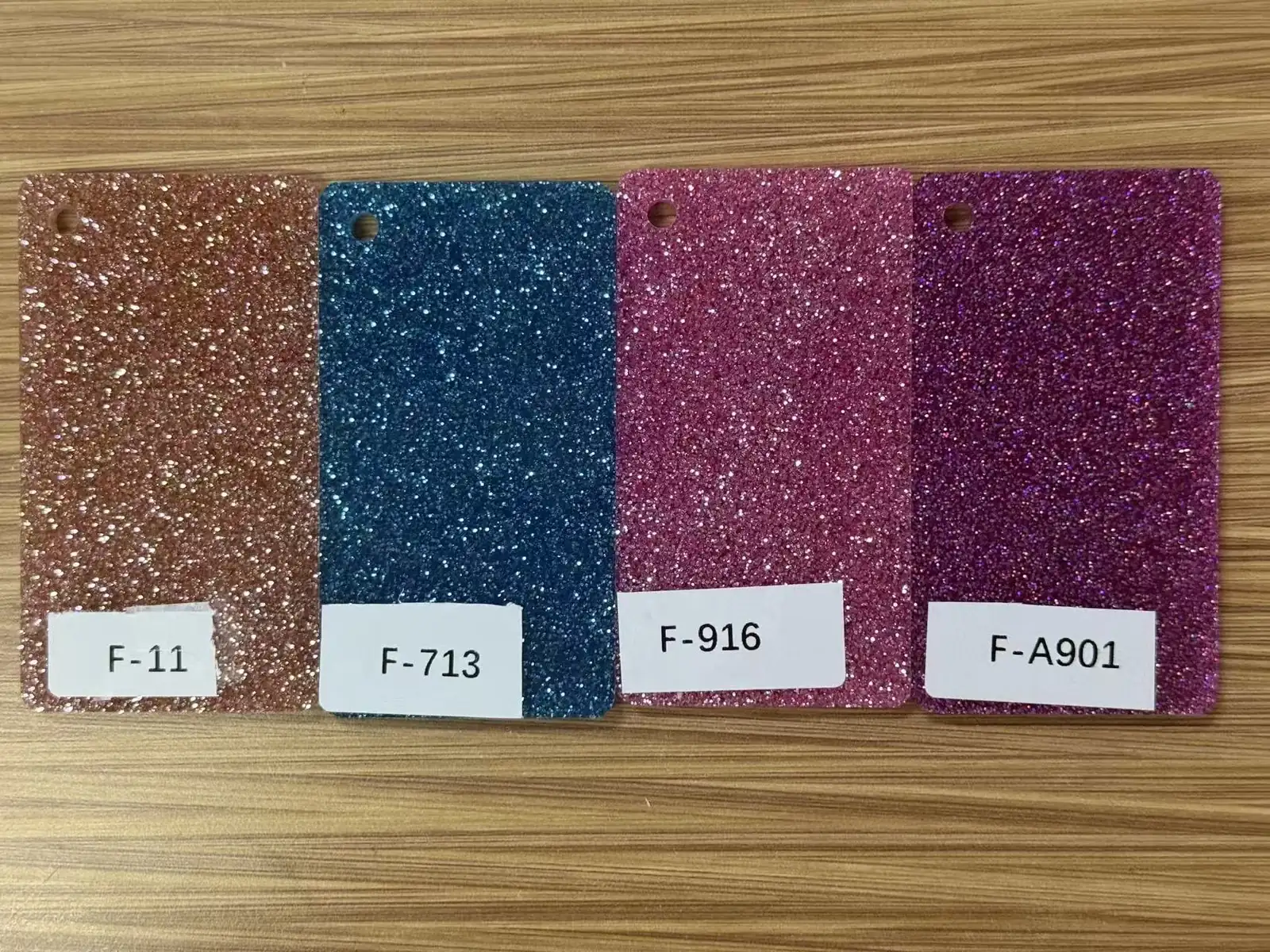
One colorway for the first order. If the supplier counts minimums per colorway, launching one color puts the full quantity behind one setup.
Fewer unique custom faces. Custom jokers, flowers and brand tiles carry setup work. Keeping standard faces for most tiles and customizing a focused set lowers setup without changing the total tile count.
Stock accessories. Racks, pushers and bags in existing colors can remove a component minimum entirely.
Packaging with a smaller run size. A stock box with a custom sleeve, sticker or insert card often has a lower minimum than a fully printed rigid box. See the private label packaging guide.
Phased commitment. Some suppliers will accept a first order below the standard minimum if you commit to a follow-up quantity of the same specification. Only agree to this if your sales plan supports it.
Flexible timing. A small order that can run alongside a similar production batch may be easier for a supplier to accept. Ask whether flexible timing changes the minimum.
Step 4: Accept the unit-cost trade-off with numbers in hand
Lower quantity usually means higher unit cost, because fixed costs are divided by fewer sets. Ask the supplier to show the same specification at two or three quantities, with setup costs listed separately. How unit cost changes at 50, 100, 300 and 500 sets explains how to read that comparison.
Then decide with total cash, not unit price alone:
- What total cash does each option require?
- How long will it take to sell each quantity?
- What surplus packaging or accessories will you hold?
A smaller first order with a higher unit cost can still be the better decision if it avoids holding stock that does not sell.
Step 5: Put the agreed minimum in writing
When you reach an agreement, record it against a specification version:
- The agreed quantity and what it applies to (design, colorway, total order)
- Which components were switched to stock or simplified
- The unit price and any setup charges at that quantity
- Whether the same terms apply to a reorder of the same specification
- What would change the minimum (new color, new box, added custom faces)
This avoids surprises when you place a reorder or make a small design change.
What not to do
- Do not ask for a lower MOQ with no specification. A supplier cannot assess what to change.
- Do not split a small quantity across several colorways. It multiplies minimums.
- Do not trade away the parts your customers buy for. If the tile artwork is the product, protect it and simplify elsewhere.
- Do not accept a lower MOQ that quietly changes the material or process without a sample showing the result.
- Do not confuse a stock-set MOQ with a custom-set MOQ. They are different products. Our micro-MOQ guide covers very small community launches.
Buyer checklist
- [ ] Asked which component or process sets the MOQ
- [ ] Marked each component brand-critical or replaceable
- [ ] Limited the first order to one colorway where possible
- [ ] Priced the same specification at two or three quantities
- [ ] Compared total cash and sell-through time, not only unit price
- [ ] Recorded the agreed minimum against a specification version
FAQ
Can I get a custom Mahjong set below the supplier's standard MOQ?
Sometimes. It depends on which component sets the minimum and whether you can use stock materials, accessories or packaging for the first run. Ask the supplier what would need to change.
Does a lower MOQ always raise the unit price?
Usually, because setup costs are spread over fewer sets. The increase depends on how large the setup costs are compared with the per-set cost.
Is it better to negotiate MOQ or price?
Decide which matters more for your launch. A smaller first order limits risk; a larger order lowers unit cost. Negotiating both at once rarely works.
Will the same MOQ apply to my reorder?
Not automatically. Confirm in writing whether reorders of the same specification follow the same minimum, and what changes would reset it.
Next step
Send Lucky Mahjong your target quantity, tile count, artwork status, accessories, packaging and launch date. We will tell you which component is likely to set the minimum for your project and which changes could lower it.
Buyer checklist
- Define the same tile manifest, dimensions and material for every quote.
- Separate setup, samples, accessories, packaging and freight costs.
- Confirm what changes when quantity or colorway count changes.
Production notes
Cost and MOQ guidance describes quote drivers. A supplier must confirm quantities, pricing, timing and delivery terms for the actual project.
Continue your project planning
For a project review, see Custom American Mahjong manufacturing. The cluster overview connects this decision with the rest of the sourcing process.
Planning a custom set?
Send quantity, tile count, target dimensions, artwork status, accessories, packaging, destination and launch date. These details help define a comparable quotation and sample scope.
Discuss a custom project