
Direct answer
Material comparisons are general manufacturing guidance. Exact composition, construction, tolerances and performance are project-dependent and need sample verification.
Key takeaways
- The most important checkpoint is the set configuration.
- Compliance is partly about the specification and partly about repeatability.
- Use acrylic or melamine materials selected for stable dimensions, clean finishing, and consistent engraving or printing response.
On this page
An NMJL compliant mahjong set should support the practical requirements of American Mah Jongg play: the correct tile structure, clear Arabic numerals, English lettering where needed, jokers, replacement blanks, and components that make the set usable with the annual card system. For retailers and private label brands, this is one of the first specifications to verify before sampling or placing a bulk order.
What Buyers Should Confirm
The most important checkpoint is the set configuration. A Chinese-style mahjong set may look similar at first glance, but it usually does not include the jokers, racks, pushers, or tile mix expected by American Mahjong players. If your customers play with NMJL-style cards, a non-American set can become a return risk.
- Tile count: confirm a complete American-style configuration, commonly 166 tiles for retail-ready sets.
- Jokers and blanks: verify the exact joker and replacement tile count before production.
- Readability: numerals and letters should be clear for mixed-skill players and club environments.
- Accessories: racks, pushers, dice, cases, and packaging should match American Mahjong buyer expectations.
How Quality Control Supports Compliance
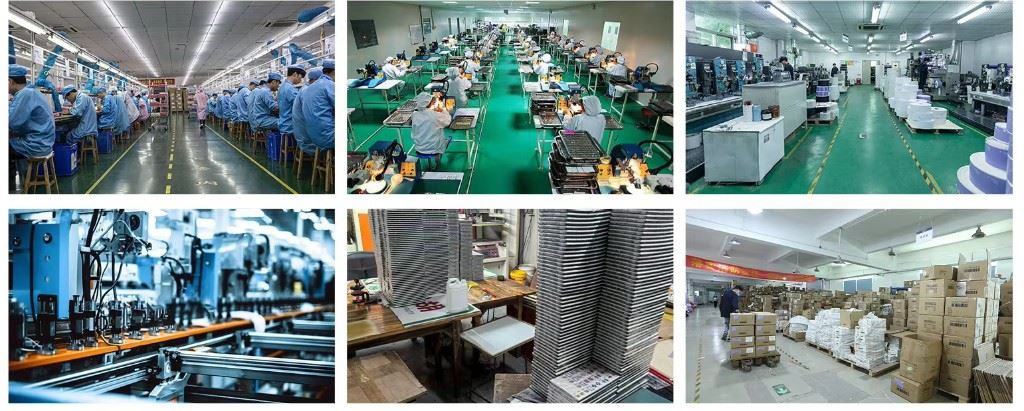
Compliance is partly about the specification and partly about repeatability. A sample can look correct, but bulk orders need controlled materials, consistent printing, accurate engraving, and final assembly checks so every carton matches the approved standard.
Use acrylic or melamine materials selected for stable dimensions, clean finishing, and consistent engraving or printing response.
Check color accuracy, UV print adhesion, line sharpness, and face readability before moving into assembly.
Control engraving depth around 0.3-0.5mm where applicable, so tile faces remain tactile and consistent.
Confirm tile counts, joker count, blank tiles, accessories, packaging inserts, carton labels, and order documentation.
Practical sourcing note: Put the tile count, joker count, material, dimensions, engraving or print method, accessory list, and packaging requirements directly into the purchase order. That prevents ambiguity between sample approval and mass production.
Where This Fits in Your Buying Process
NMJL-style compatibility should be checked before artwork customization. Once a brand starts choosing colors, jokers, tile backs, bags, inserts, and retail packaging, the core product specification needs to be stable. That is especially important for boutiques, gift brands, clubs, and wholesale distributors that cannot afford inconsistent set configurations across reorders.
For a broader view of supplier selection, production timelines, and export packing, read the American Mahjong sourcing guide. For warranty and batch inspection details, see Shipping & Quality Control.
Buyer checklist
- Specify the material, tile dimensions, finish and exact tile manifest.
- Review readability and rack fit using the intended physical sample.
- Record approved specifications and inspection criteria before production.
Production notes
Material comparisons are general manufacturing guidance. Exact composition, construction, tolerances and performance are project-dependent and need sample verification.
Continue your project planning
For a project review, see Custom Mahjong tiles. The cluster overview connects this decision with the rest of the sourcing process.
Planning a custom set?
Send quantity, tile count, target dimensions, artwork status, accessories, packaging, destination and launch date. These details help define a comparable quotation and sample scope.
Discuss a custom project